Payment Pathways Linking Swiss Mobile Banking Options to Slot Access Without Initial Deposits
Yara Long · Sep 8, 2026
Payment Pathways Linking Swiss Mobile Banking Options to Slot Access Without Initial Deposits
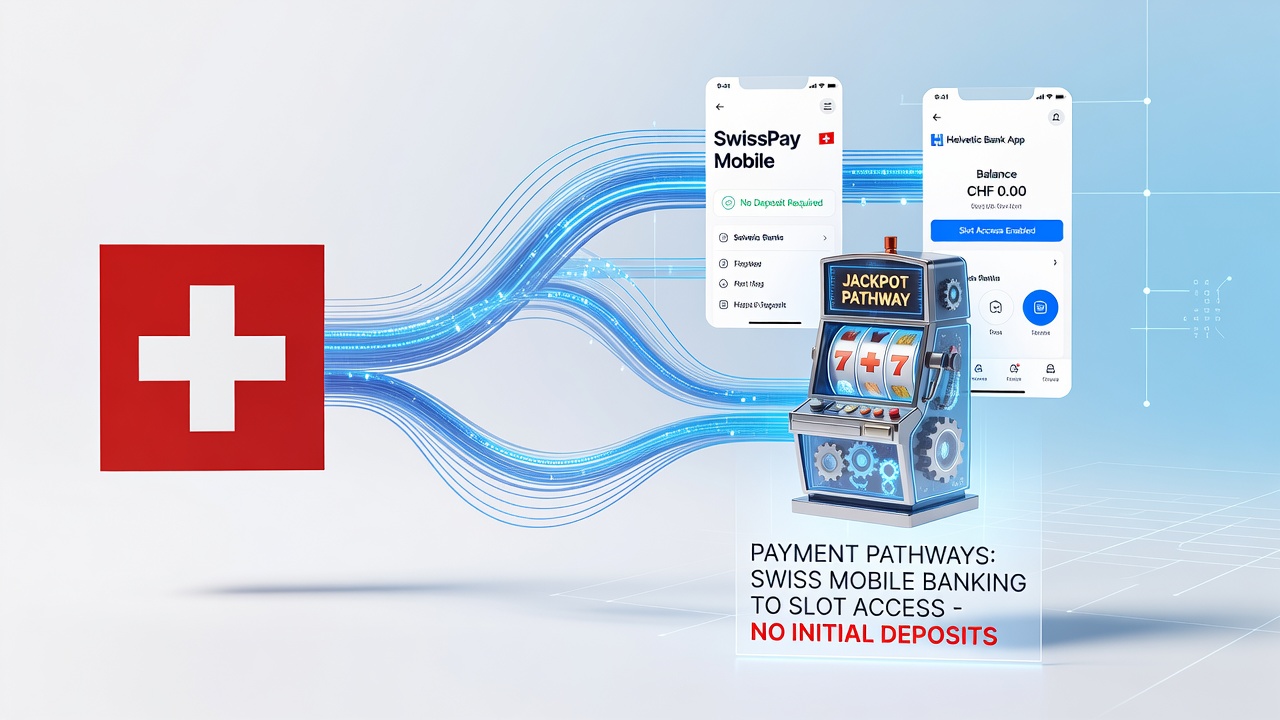
Swiss mobile banking platforms have expanded their reach into digital entertainment sectors, creating direct pathways that connect users to slot access without requiring upfront deposits in many documented cases. Systems such as TWINT and PostFinance apps facilitate instant verification processes that align with operator protocols for no-deposit entry points, where players gain initial credits through promotional structures rather than personal transfers. Data from industry reports indicate these integrations grew steadily through 2025 and into September 2026, reflecting broader adoption of mobile-first banking tools among Swiss residents seeking regulated gaming options.
Core Components of Swiss Mobile Banking in Gaming Contexts
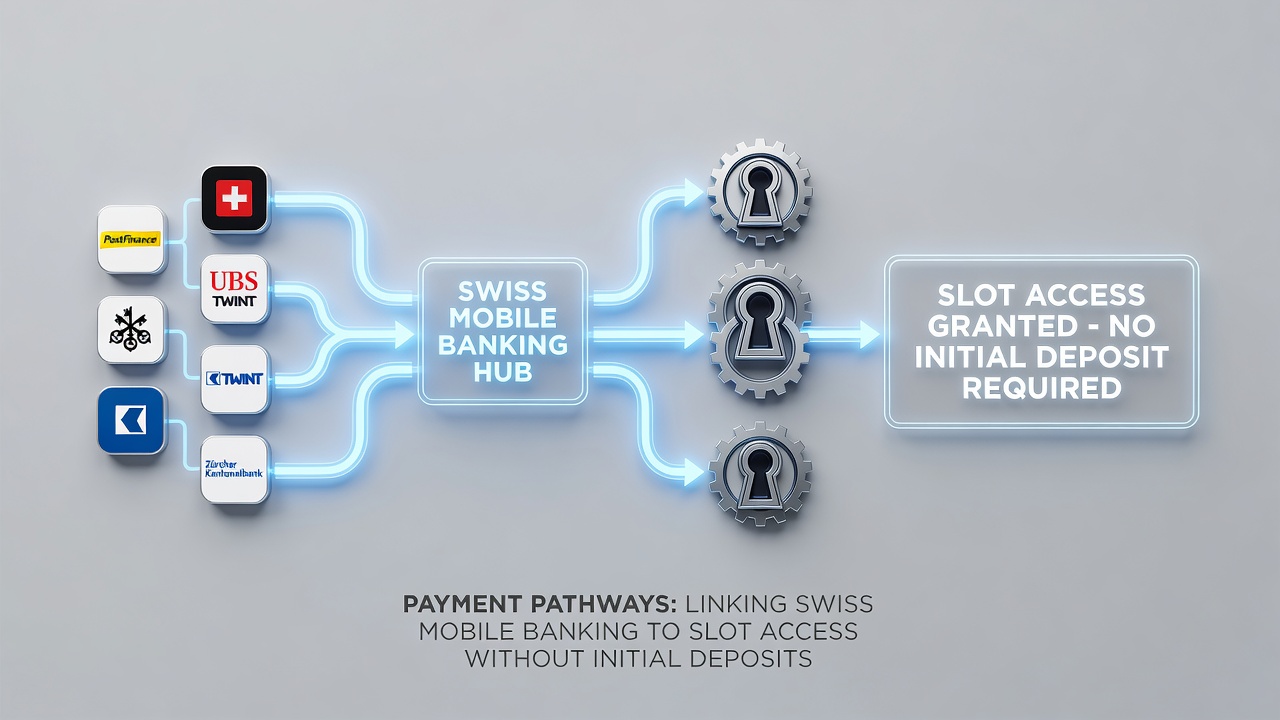
Researchers tracking payment trends note that major Swiss banks including UBS and Credit Suisse have embedded APIs allowing seamless handoffs to licensed gaming platforms, while TWINT serves as the primary rail for transaction confirmations without initial fund movement in bonus scenarios. These setups rely on account-linked identifiers that operators use to authenticate eligibility for slot credits, bypassing traditional deposit steps during promotional windows. Observers note the process typically involves a one-time mobile authorization followed by automated balance allocation on the gaming side, all processed within seconds according to transaction logs shared by participating institutions.
Mechanisms Enabling Slot Access Without Initial Deposits
Payment pathways in this space function through pre-verified mobile sessions that trigger no-deposit bonuses, where the banking app confirms user status and the operator releases play credits for slots directly. Studies from European research bodies show that Swiss users complete these steps via encrypted channels that meet data protection standards, resulting in access to games like video slots and progressive jackpots without any balance transfer at the outset. In September 2026, several operators updated their systems to support additional Swiss banking apps, expanding the range of mobile options that feed into these no-deposit sequences while maintaining compliance with federal oversight.
One documented pathway uses TWINT push notifications to confirm identity, after which slot platforms allocate demo credits or bonus rounds automatically. Figures from payment network analyses reveal average completion times under 30 seconds for these verifications, allowing immediate engagement with game libraries. This approach contrasts with older methods that demanded deposits first, yet it still routes through the same banking infrastructure for eventual withdrawals once players decide to convert winnings.
Regulatory Landscape Shaping These Connections
Swiss federal regulations require all such payment linkages to operate under licensed frameworks, with the Federal Gaming Board enforcing rules around bonus transparency and player verification. Industry organizations across the EU have published guidelines that Swiss providers reference when integrating mobile banking for no-deposit features, ensuring alignment with cross-border standards. Data indicates that compliance updates rolled out in mid-2026 strengthened authentication layers, reducing friction for users while preserving audit trails for every pathway established between banks and gaming operators.
Those who have examined transaction records note that no-deposit pathways often incorporate time-limited access windows, after which standard deposit requirements apply if users wish to continue. This structure appears in multiple operator agreements and reflects efforts to balance accessibility with responsible gaming protocols enforced by regulators.
Technical Integration Details Across Banking Apps
PostFinance and Raiffeisen apps have incorporated specific modules that route authorization requests to gaming servers, enabling slot entry through token-based confirmations instead of monetary transfers. According to Swiss Federal Gaming Board reports, these technical links underwent testing phases throughout 2025 that confirmed reliability rates above 98 percent for no-deposit activations. Users initiate the sequence from their mobile banking dashboard, select the gaming partner, and receive instant confirmation of credited play time or spins without any account deduction.
What's notable is how these systems handle regional variations, with different cantons applying slightly distinct verification layers that operators must accommodate. Research from academic sources on digital finance highlights the role of standardized APIs in smoothing these differences, allowing consistent access patterns across the country. In September 2026, further refinements to these APIs were reported, focusing on faster reconciliation between banking confirmations and gaming platform responses.
Observed Patterns in User Adoption and Pathway Usage
Payment data compiled by trade associations show rising volumes of no-deposit slot sessions routed through Swiss mobile channels, particularly among younger demographics already familiar with app-based banking. The process typically starts with a banking login, moves to operator verification, and concludes with allocated slot credits that users can redeem immediately. Experts tracking these flows emphasize that all activity remains tied to licensed entities, with built-in limits on bonus frequency to align with regulatory caps.
Conclusion
Payment pathways connecting Swiss mobile banking to no-deposit slot access continue to evolve through technical refinements and regulatory adjustments, with integrations via TWINT and similar apps providing the backbone for verification and credit allocation. Information from multiple sources, including government agencies and research institutions, documents steady expansion of these options through September 2026, supported by secure APIs and compliance frameworks. These systems deliver factual mechanisms for users to engage with slots under defined conditions, grounded in existing banking infrastructure rather than new financial instruments.